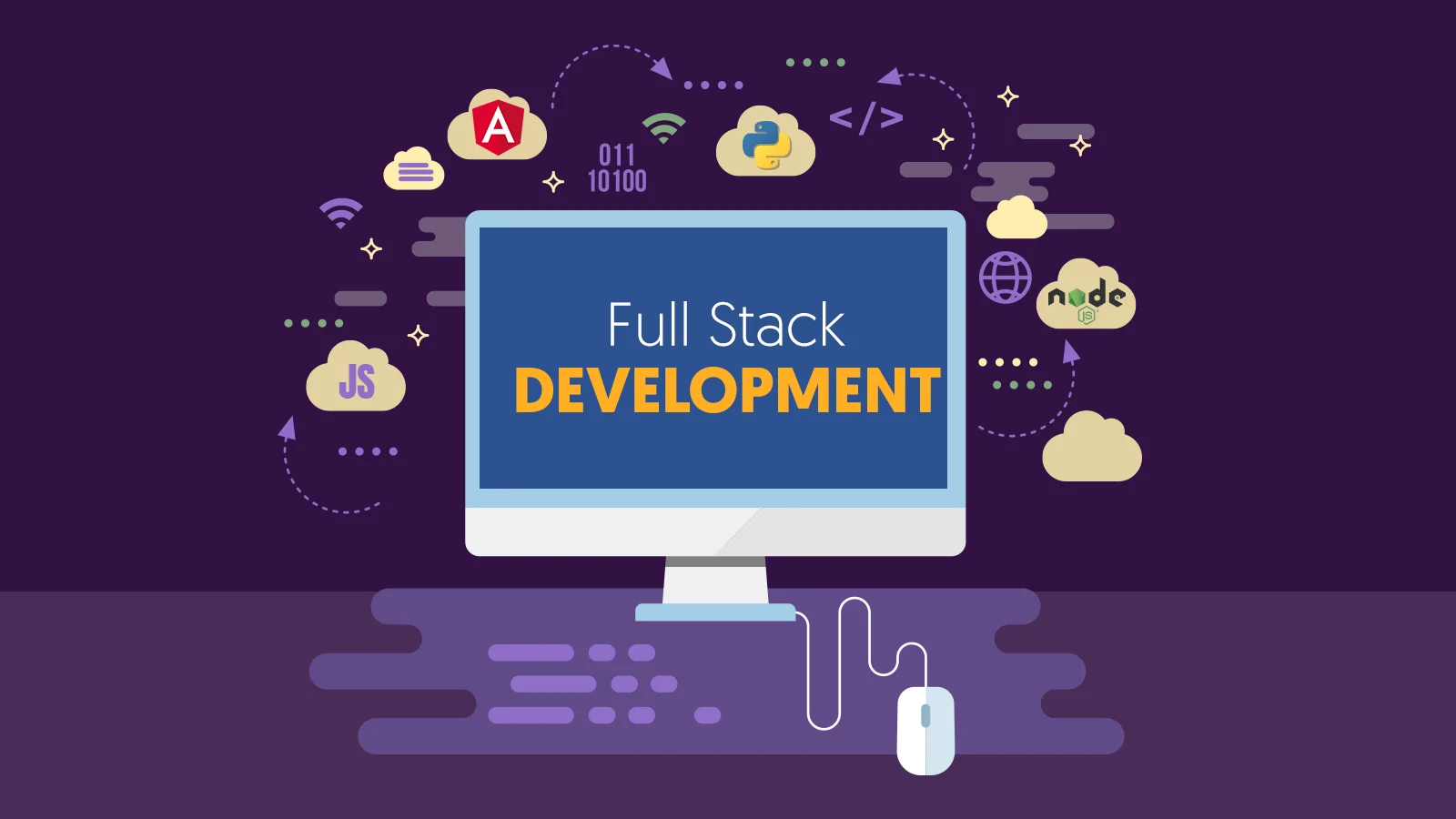
The role of a full stack developer in 2026 has evolved far beyond managing just frontend and backend. It's now about building, scaling, and thinking across the entire digital ecosystem—from AI collaboration and cloud deployment to integrated intelligent systems and rapid product shipping. The definition of "full stack" is expanding, and so are the expectations.
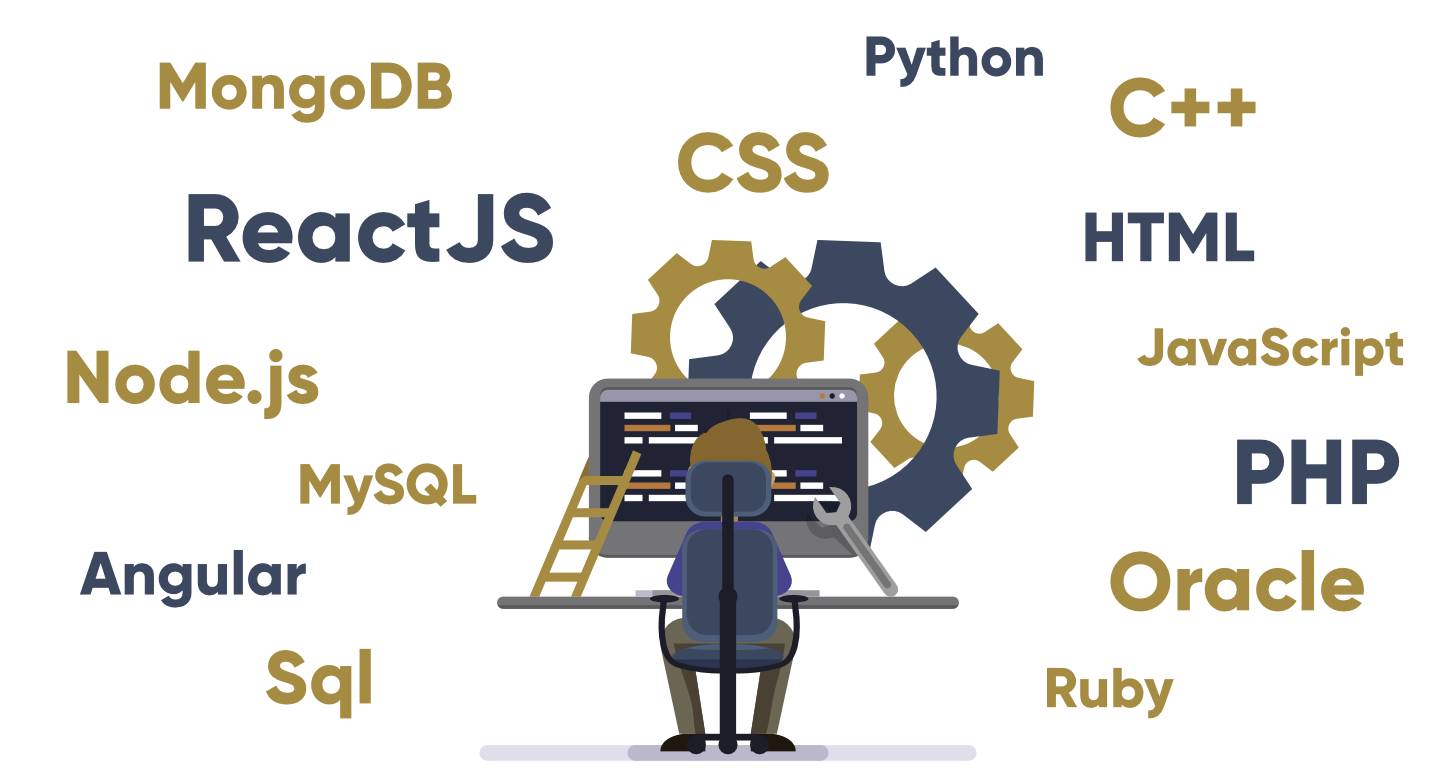
Modern full stack development integrates code, cloud, AI, and user experience into one seamless workflow.
Key Takeaways
- Modern full stack developers work across a broader ecosystem, bringing together code, cloud, AI, and UX.
- AI tools like GitHub Copilot and Amazon CodeWhisperer now automate code generation, bug detection, and documentation.
- Cloud-native and serverless architectures are the standard for scalable, event-driven applications.
- API-first and headless development enable parallel team workflows and multi-platform delivery.
- Edge computing is powering real-time apps, from live tracking to instant chat and analytics dashboards.
- Security is now a "shift-left" priority, built into every step of development.
What Does 'Full Stack' Mean in 2026?
In 2026, “full stack” isn’t just a technical term anymore—it’s a way of thinking about building complete, intelligent, and scalable digital products from start to finish. The modern full stack developer works across a dynamic ecosystem, handling not just frontend and backend, but also cloud platforms, serverless setups, microservices, and AI integration.
"The modern full stack developer works across a much broader, more dynamic ecosystem, bringing together code, cloud, AI, and user experience into one seamless workflow."
— TalentSprint Full Stack Development Report 2026
Evolution of the Role
- From just writing code to designing how systems should be built.
- AI is now a daily teammate, generating and debugging code.
- The stack itself is changing to cloud platforms and serverless architectures.
- Adaptability matters more than knowing every framework.
Modern Skill Requirements
- Proficiency in React, Angular, Node.js, Python, or Java.
- Experience with SQL, NoSQL, and cloud databases.
- Ability to design RESTful or GraphQL APIs.
- Understanding of DevOps basics, CI/CD pipelines, and deployment.
🚀 Key Trends Shaping Full Stack Development in 2026
🤖 1. AI-Augmented Development
AI tools like GitHub Copilot, Amazon CodeWhisperer, and Google Codey can now write entire functions from simple prompts, detect bugs and security issues instantly, and even generate documentation automatically. Developers at startups and large companies use AI to scaffold entire apps in minutes instead of hours.
☁️ 2. Cloud-Native & Serverless
Platforms like AWS Lambda, Azure Functions, and Google Cloud Run let you run code without worrying about servers at all. Many fintech apps in India now use serverless to handle sudden spikes during sales or payment rush hours, automatically scaling without downtime.
🔌 3. API-First & Headless Development
Instead of building apps as one big block, developers now design APIs first. This approach lets frontend and backend teams work in parallel, powers multiple platforms from one backend, and enables faster product launches. A single backend can power a website, a mobile app, and even a smartwatch interface simultaneously.
🧠 4. Full Stack + AI/ML Integration
With platforms like AWS SageMaker, Google Cloud AI, and Azure Cognitive Services, developers can easily add recommendation engines, chatbots, fraud detection systems, and predictive analytics. E-commerce platforms now personalize homepages in real time based on user behavior—something that was complex just a few years ago.
🌐 5. Edge Computing & Real-Time Apps
Users expect instant responses. Technologies like Apache Kafka and WebSockets power real-time experiences like live tracking (food delivery, ride-sharing), instant chat apps, and real-time analytics dashboards. Healthcare devices now process patient data locally for faster alerts, rather than relying only on cloud servers.
🛡️ 6. Security-First Development (DevSecOps)
Security is no longer something you check at the end—it's built into every step. Tools like SonarQube and OWASP ZAP help developers catch vulnerabilities early. With increasing cyber threats, companies now expect developers to think like security engineers too.
🎨 7. UX is Now Everyone's Job
User experience today goes beyond how an app looks—it's about how it feels. Page load speed, API response time, login delays, and error handling all impact UX. Apps like UPI payment platforms succeed largely because they are fast, simple, and reliable, not just visually appealing.
📚 Skills Required for Full Stack Development in 2026
🛠️ Technical Skills
- Frontend: HTML, CSS, JavaScript, React, Angular
- Backend: Node.js, Python, Java, API logic
- Database: MySQL, PostgreSQL, MongoDB (SQL & NoSQL)
- API Development: RESTful or GraphQL
- Version Control: Git for code management and collaboration
- DevOps Basics: Cloud platforms, CI/CD pipelines, deployment
🤝 Soft Skills
- Problem-Solving: Logical thinking and efficient debugging
- Adaptability: Willingness to learn new technologies
- Communication: Collaborating with designers, product managers, and developers
- Time Management: Handling multiple tasks in fast-paced environments
- Product Thinking: Understanding user needs for user-centric solutions
⚠️ Challenges Developers Must Prepare For
- Keeping up with rapid change: Continuous learning is no longer optional.
- Working alongside AI: Developers still need to guide, verify, and refine AI output.
- Handling complex systems: Modern apps involve cloud, APIs, and microservices.
- Balancing speed and quality: Delivering fast while maintaining performance, security, and clean code.
- Ensuring security and privacy: Building secure applications in an era of rising cyber threats.
- Collaborating across teams: Working closely with design, product, and business teams.
🏆 How to Stay Ahead as a Full Stack Developer
Technologies evolve quickly; staying updated is essential.
Leverage it for productivity, but focus on understanding and problem-solving.
Strong basics in data structures, APIs, and system design always matter.
Practical experience helps you understand how modern applications work.
💡 The Bottom Line
Full stack development in 2026 is no longer just about working across frontend and backend—it's about understanding how everything connects, scales, and evolves together. The future isn't about knowing every framework; it's about staying curious, learning continuously, and being open to change.
Key Takeaways
- •This article highlights the latest trends in document technology
- •Practical insights for implementing PDF solutions in your workflow
- •Expert recommendations for document security and management