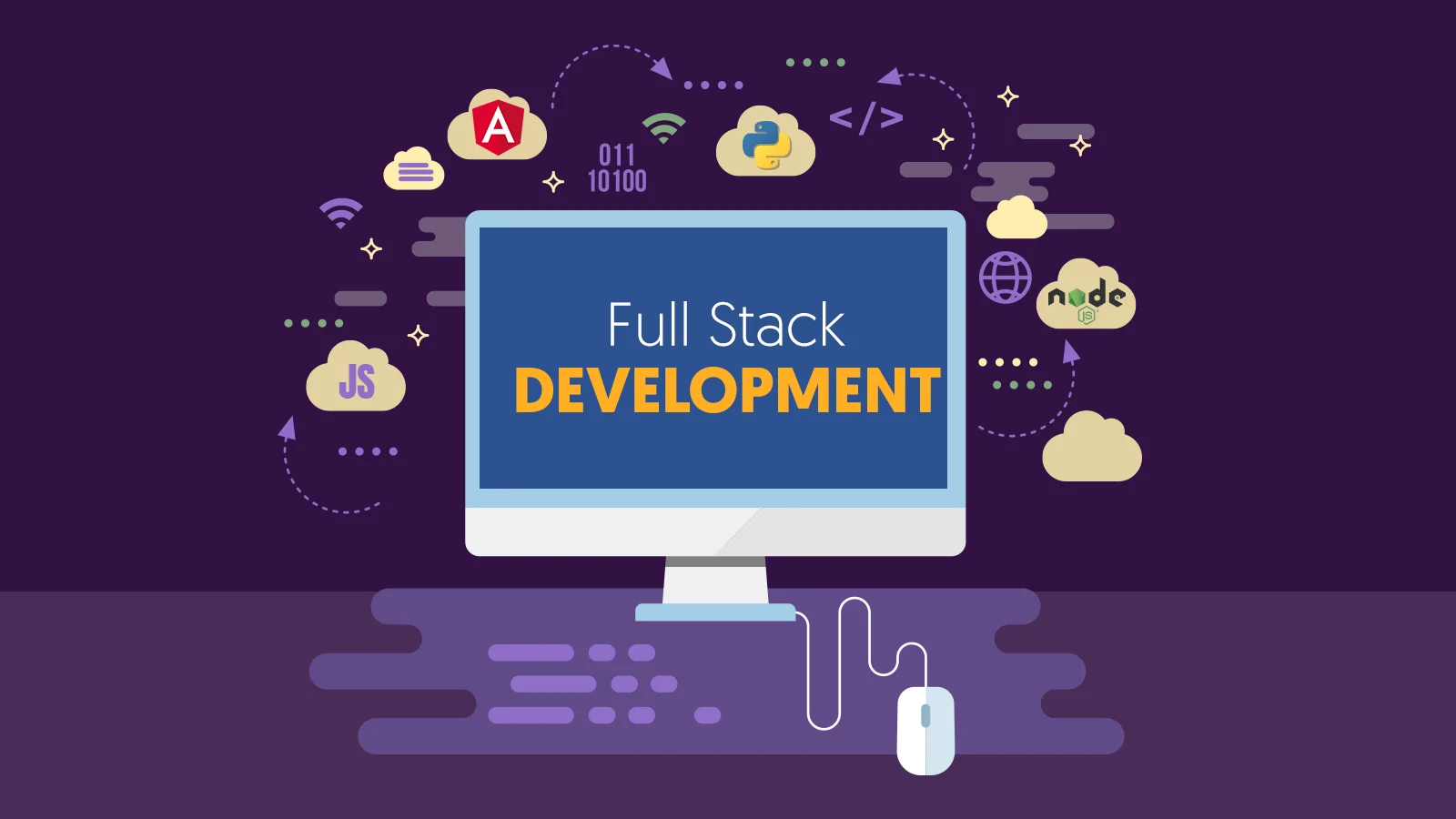
In the ever-evolving landscape of software development, one constant remains: JavaScript. As we move through 2026, JS isn't just surviving; it's thriving. It holds its crown as the most commonly used programming language worldwide, a testament to its unmatched versatility, massive ecosystem, and critical role in powering the interactive and dynamic web experiences users have come to expect.
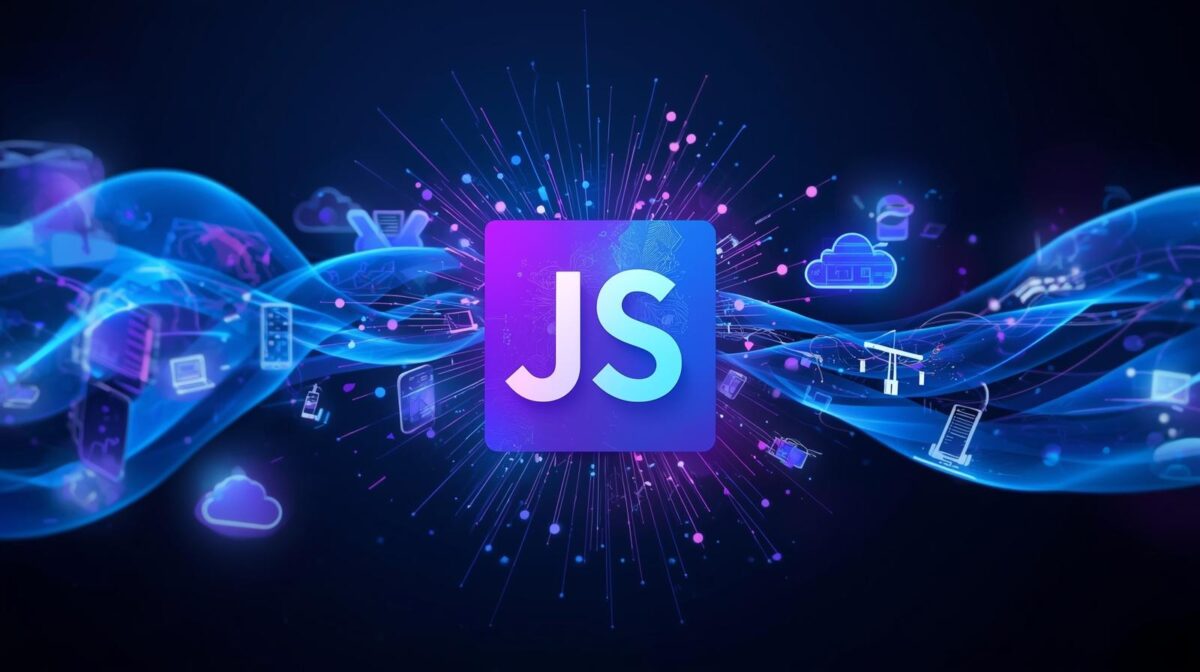
JavaScript's vast ecosystem of frameworks and runtimes makes it a cornerstone of modern development.
Key Takeaways
- JavaScript is the most widely used language globally, holding its lead for over a decade (Source: Stack Overflow Developer Survey 2025).
- Frameworks like React, Angular, and Vue.js dominate front-end development for creating dynamic user interfaces.
- Node.js enables JavaScript to run on servers, making it a powerful full-stack language for backend APIs.
- TypeScript, a static-typed superset of JavaScript, is one of the fastest-growing technologies for scalable enterprise architectures.
- React Native and other frameworks allow developers to build cross-platform mobile apps using familiar JS syntax.
- Its low barrier to entry and universal applicability make it the ideal first language for aspiring web developers.
Why JavaScript Remains Unstoppable in 2026
For over a decade, JavaScript has been the lingua franca of the web. According to the Stack Overflow Developer Survey 2025, it remains the most commonly used programming language worldwide. Its secret sauce is its versatility. What started as a simple language for adding interactivity to web pages has grown into a robust ecosystem that powers everything from complex single-page applications (SPAs) to server-side infrastructure and even mobile apps.
"JavaScript's vast ecosystem of frameworks, such as React, Angular, and Node.js, ensures versatility across use cases, from interactive UI design to enterprise web apps."
— Simplilearn, Best Programming Languages to Learn in 2026
Frontend Dominance
- React, Angular, and Vue.js are industry standards for building dynamic UIs.
- Enables the creation of fast, interactive Single Page Applications (SPAs).
- Huge job market for skilled frontend and full-stack developers.
Backend & Full-Stack Power
- Node.js allows developers to use JavaScript on the server.
- Ideal for building fast, scalable backend APIs and microservices.
- Unifies the tech stack, allowing code sharing between client and server.
Cross-Platform Mobile
- React Native enables building native-feeling iOS and Android apps from a single JavaScript codebase.
- Reduces development time and cost compared to native languages (Swift/Kotlin).
- Used by major companies like Meta, Microsoft, and Shopify.
The Rise of TypeScript
- TypeScript, a static-typed superset of JS, is one of the fastest-growing technologies.
- Over 43% of developers use TypeScript for scalable, enterprise-grade applications.
- Adds robustness and maintainability to large JavaScript codebases.
🚀 Key Frameworks and Technologies Shaping the JS Ecosystem
📚 1. React & Next.js
React remains the most popular frontend library for building component-based user interfaces. Next.js, a React framework, has become the go-to solution for production-grade React applications, offering server-side rendering (SSR), static site generation (SSG), and an increasingly popular full-stack development model with API routes.
🖧 2. Node.js & Express
Node.js allows JavaScript to be run on servers, databases, and devices, making it a true full-stack language. Express.js, its most popular framework, simplifies the creation of robust RESTful APIs and backend logic, forming the backbone of countless modern web applications.
📱 3. React Native
As highlighted, React Native continues to be a dominant force in mobile development. It allows teams with web expertise to deliver high-performance mobile applications for both iOS and Android, sharing a significant portion of code while still providing a native user experience.
🔷 4. TypeScript
TypeScript has evolved from a niche tool to an industry standard, especially for larger teams and codebases. By adding static types to JavaScript, it catches errors early, improves code maintainability, and provides a superior developer experience with better autocompletion and tooling. It's now the default choice for many new enterprise-scale projects.
🏆 The Learning Path: Why Start with JavaScript?
No complex setup is required. You can start coding in your web browser's console.
Manipulate web page elements and see results instantly, making learning more engaging.
One language to learn for both frontend and backend, accelerating your career growth.
⚠️ Challenges & Considerations
- Rapid Ecosystem Change: The JavaScript landscape evolves quickly, requiring continuous learning of new frameworks and patterns.
- Tooling Complexity: Modern build tools (Webpack, Vite) and configurations can be overwhelming for beginners.
- Type Safety: JavaScript is dynamically typed, which can lead to runtime errors. This is why TypeScript is gaining so much traction for large projects.
- Debugging Async Code: Understanding promises and async/await is crucial but can be tricky for newcomers.
💡 The Bottom Line
In 2026, JavaScript is more than a language; it's a fundamental platform for the modern web. Its universal adoption, combined with powerful runtimes like Node.js and robust frameworks like React, makes it an indispensable skill for any web or full-stack developer. Whether you're building your first interactive website or a complex enterprise application, JavaScript provides the tools and community you need to succeed. For those starting their journey, it often represents the best programming language to learn first, offering a clear path from frontend to full-stack mastery.
Key Takeaways
- •This article highlights the latest trends in document technology
- •Practical insights for implementing PDF solutions in your workflow
- •Expert recommendations for document security and management